Sparking Zero Neo Online & Ranked Meta
How the Super Limit-Breaking roster and free Sparking Boost update shape ranked queues in August 2026.
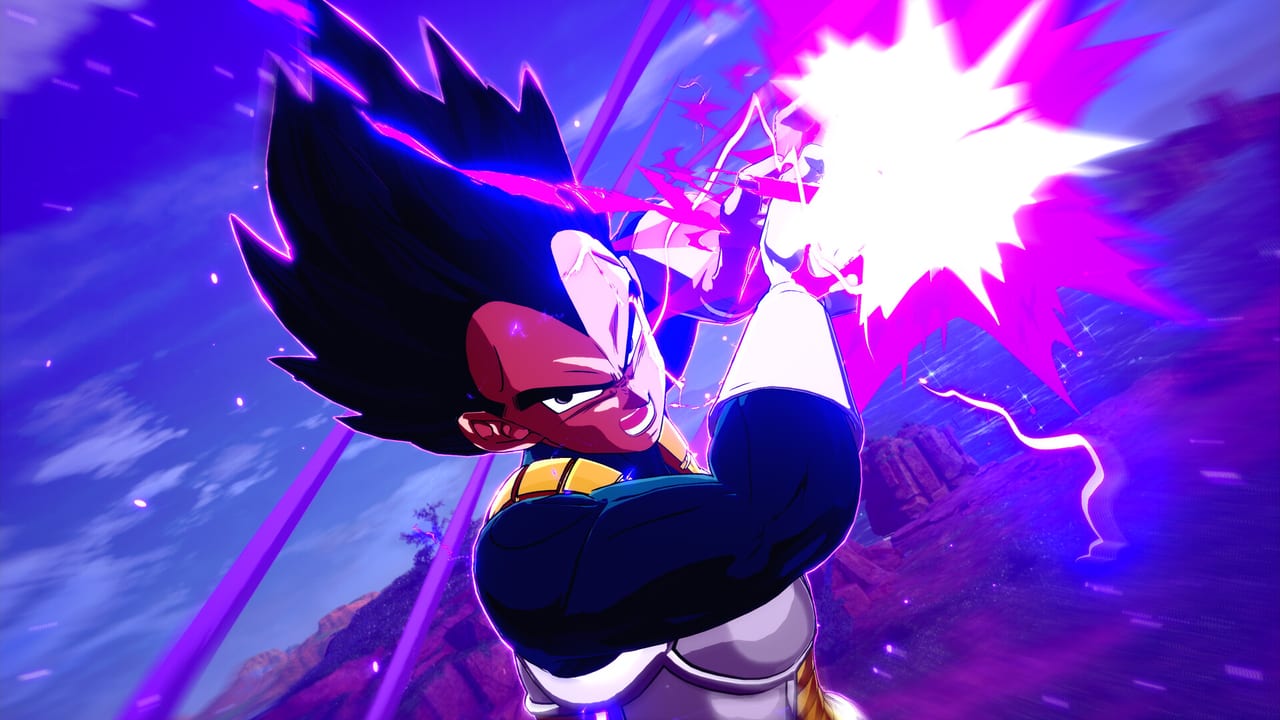
Ranked and lobby play in Dragon Ball: Sparking! ZERO changed twice in late July 2026: the July 29 free patch added Sparking! Boost and Chain Blast, and the July 30 NEO DLC injected 33 fighters into matchmaking pools on PlayStation 5, Xbox Series X|S, and Steam. This page translates those additions into online meta advice—who to main, how to structure tag teams, when to burn Skill Stock, and which NEO characters deserve ban priority once the community settles.
Start with the NEO roster tier list for raw power rankings, then return here for mode-specific adjustments. Online rewards consistency, safe tags, and burst windows that survive lag. Journey durability matters less; execution under pressure matters more.
Free-update mechanics in ranked
Sparking! Boost
Sparking! Boost consumes extra Skill Stock while you are already in Sparking Mode to spike attack power for a decisive push. When the boost ends, your stats drop temporarily—plan the window like a ult trade. Characters with already-strong Sparking chains (Bardock Super Saiyan, Vegeta GT Super Saiyan, legacy high-damage mains) gain more from Boost than zoners who rely on chip. Full input breakdown lives in the Sparking Boost and Chain Blast guide.
Chain Blast
Chain Blast fires a Blast immediately when a reserve character tags in, typically after you launch an opponent. Ranked teams now prioritize two-character rosters where the reserve blast type complements the point fighter’s launch angle. Pikkon, Zangya, and Salza rose to A-tier partly because their blast coverage converts launches without elaborate manual swaps. Vegeta (GT) Super Saiyan pairs well as a point fighter with vertical launch routes — his aerial confirms feed Pikkon or Zangya reserve Blasts cleanly. See Salza for Cooler Squadron tag synergy with Zangya.
If your team lacks Chain Blast synergy, you will lose damage races against Boost-aware opponents even when your point character outclasses theirs on paper.
Top online mains from NEO
| Priority | Character | Why ranked loves them |
|---|---|---|
| 1 | Super 17 | Absorption punishes ki spam; strong neutral online |
| 2 | Bardock (Super Saiyan) | Boost-ready Sparking burst and simple confirms |
| 3 | Demon King Piccolo | Space control on new stages |
| 4 | Vegeta (GT) Super Saiyan | Aerial routes survive delay; strong Boost kill confirms as point or reserve |
| 5 | Pikkon | Chain Blast tag value and wall carry |
Deep kit notes appear on each character page. Do not sleep on legacy roster staples—pre-NEO S-tier characters still appear in top 100 leaderboards until players fully lab every newcomer.
Team building for ranked
Most serious players run two-fighter teams to exploit Chain Blast:
- Point fighter — wins neutral and lands the launch (Super 17, Bardock SS, GT Vegeta SS).
- Reserve finisher — blast type covers launch angle (Pikkon beam, Salza armor blast, Zangya projectile for light-rush setups).
Browse builds for shared Skill Stock economies and Battle Arts that buff tag damage or reduce Boost penalties. Arts that restore stock or shorten Boost debuffs climbed in popularity within days of the patch.
Avoid double-glass cannon teams unless you play locally with zero latency. Online ranked punishes one-touch deaths even when your combo video looks spectacular in training mode.
Ban and counter priorities
Early ban targets mirror S-tier NEO entries:
- Super 17 — ban if you lack ki-discipline or armor breaks.
- Bardock (Super Saiyan) — ban on small stages where his wall loops become oppressive.
- Demon King Piccolo — ban on wide NEO maps with clear zoning lanes.
Counters often come from legacy characters with Super Perception-friendly tools, but note the July patch removed Super Perception counters from several rush blasts—read Updates before relying on old counter charts.
Match pacing and stage selection
NEO added four DLC stages plus free variants (Rocky Land White Valley, City Ruins Clear Skies, Molten Lava). Online players report:
- Zoners favor wide exterior maps with clear blast sightlines.
- Rush characters favor walled interiors where corner carry decides rounds.
- Super 17 performs consistently across both—another reason for his ban rate.
Queue with a stage ruleset in mind if your client supports preference voting; otherwise practice both archetypes on new layouts.
Climbing ranked efficiently
- Pick one S-tier NEO main and one A-tier Chain Blast partner from the NEO roster list.
- Learn one Boost combo and one Chain Blast route before grinding rank—quality over quantity.
- Review losses for stock mismanagement, not just dropped inputs.
- Check online meta and Updates weekly during the launch month.
- Use Limit Breaker Journey offline to test matchups without rank risk.
Legacy roster interaction
NEO characters do not exist in a vacuum. Players still queue Goku Ultra Instinct, Frieza, Cell, and other legacy top tiers. Your NEO main must answer at least three legacy matchups before you commit ranked time. The Tier List hub links Journey and versus lists so you can practice offline counters without skewed data.
Ranked meta will tighten after the first month of unified matchmaking data. Treat this page as a launch window playbook—strong fundamentals around Boost, Chain Blast, and tag synergy will survive balance patches better than memorizing one opponent-specific gimmick.
Frequently Asked Questions
Quick answers to the most common questions.
Is ranked 1v1 or team-based?
Standard online versus supports team rosters with reserve fighters. Chain Blast specifically rewards two-character planning even when rounds look like traditional 1v1 duels.
Should I main an S-tier character I dislike?
Only if your goal is peak rank fast. A-tier characters with mastered Boost routes often climb higher than S-tier picks you rarely practice.
Do I need the NEO DLC for ranked?
You can ranked queue without owning NEO, but you will face NEO characters in matchmaking on updated platforms. Knowing their kits matters either way.
How does lag affect Chain Blast?
Tag inputs must be practiced online, not just in training mode. Buffer tag during launch animations and avoid frame-tight links that desync under delay.